
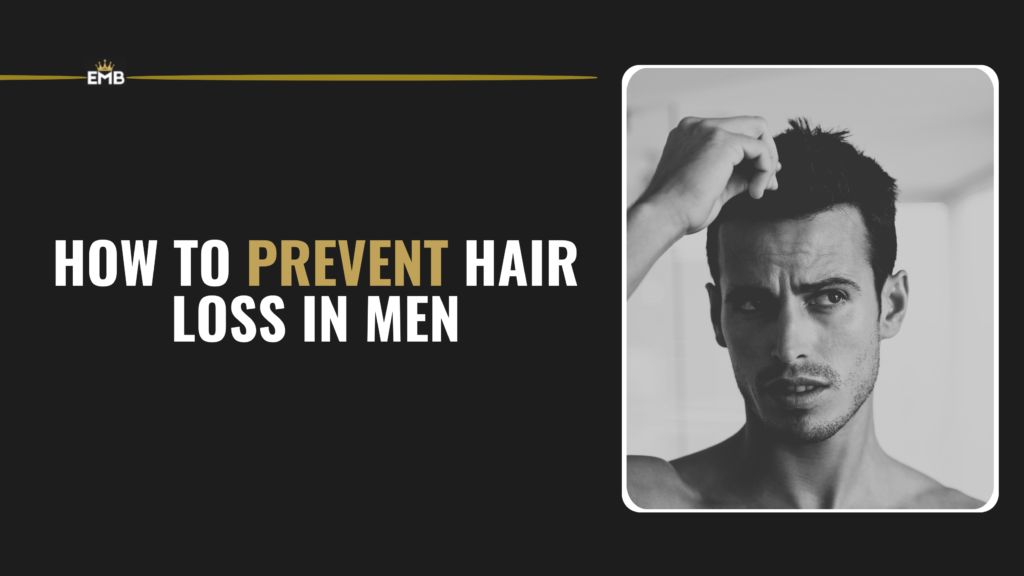
You can’t fully prevent hair loss in men that comes from your genes. But you can slow it down and protect the hair you have. The two treatments with the strongest evidence are minoxidil and finasteride, and they work best when you start early. Healthy habits help too, mainly by stopping extra shedding.
Key takeaways
- – Male pattern baldness can’t be stopped for good, but it can often be slowed.
- Minoxidil and finasteride are the main FDA-approved treatments. Results take about 6 to 12 months.
- Both only work while you use them. Hair loss returns if you stop.
- Good food, sleep and stress control protect against extra shedding, but they won’t override your genes.
- See a dermatologist first to confirm what kind of hair loss you have.
Can You Really Prevent Hair Loss in Men?
It depends on the cause.
- Male pattern baldness is genetic. There’s no known way to prevent it completely. Treatment can slow it, and some men regrow some hair.
- Shedding from stress, illness or a crash diet often stops once the trigger is gone. Good habits lower your risk.
- Damage from tight hairstyles or harsh products is mostly preventable.
Not sure which one you have? Start with our guide on why men go bald.
Step 1: Act Early
Male pattern baldness happens slowly. Each growth cycle, sensitive follicles get smaller. Over years, some stop making visible hair. Once a follicle is gone, no treatment brings it back.
That’s why timing matters. The American Academy of Dermatology (AAD) says men get the best results when they start treatment soon after they notice hair loss.
Signs it’s time to act:
- Your hairline is moving back at the temples.
- Your crown looks thinner in photos or bright light.
- Your hair feels finer than it used to.
Try this: Take photos of your hairline and crown in the same light every three months. Photos show real change better than the mirror does.
Step 2: Talk to a Dermatologist About Proven Treatments
A dermatologist (a doctor who treats skin and hair) can confirm the cause and help you choose. Here is how the main options compare, based on AAD guidance:
| Option | How it works | When you may see results | Things to know |
|---|---|---|---|
| Minoxidil (foam or liquid, no prescription) | Applied to the scalp to help follicles grow hair | 6 to 12 months | Can irritate the scalp. Benefits fade if you stop. |
| Finasteride (daily pill, prescription) | Lowers DHT, the hormone that shrinks follicles | About 6 months | Slows loss in about 80% to 90% of men who take it. Possible sexual and mood side effects. Hair loss returns if you stop. |
| Low-level laser devices | Light therapy at home | Varies | Some are FDA “cleared,” which is a lower bar than FDA “approved.” |
| PRP injections | Your own blood plasma is injected into the scalp | A few months | Needs repeat sessions to keep results. |
| Hair transplant | Moves hair from the back of the scalp to thin areas | Months after surgery | Permanent. Works best when hair loss has stabilized. |
Finasteride is a prescription drug. Your doctor will review your health history before you start. Never buy it from websites that don’t require a prescription.
Want to know more about the hormone behind this? Read how DHT shrinks hair follicles.
Step 3: Eat Enough of the Right Foods
Your body treats hair as low priority. When food is short, hair growth is one of the first things to slow down.
Focus on:
- Protein at every meal, such as eggs, chicken, fish, Greek yogurt, beans or tofu. Hair is made mostly of a protein called keratin.
- Iron-rich foods, such as lean red meat, lentils and spinach.
- Regular, balanced meals. Crash diets and fast weight loss can trigger shedding a few months later.
Don’t take high-dose vitamins “just in case.” Extra vitamins won’t help unless you’re low in them, and some can cause problems in large amounts. Ask your doctor for a blood test first.
Step 4: Manage Stress and Sleep
A major stressful event can push many hairs into their resting phase at the same time. They fall out about two to three months later. This kind of shedding is usually temporary, but it can make thinning look worse. Learn more about shedding after a stressful event.
Simple ways to lower stress:
- Walk outside or lift weights a few times a week.
- Try 5 minutes of slow breathing before bed.
- Keep phones out of the bedroom at night.
Aim for 7 or more hours of sleep. Our guide to getting better sleep shows you how.
Step 5: Treat Your Hair Gently
Mayo Clinic’s hair loss prevention tips include being gentle with your hair and avoiding habits that pull or damage it.
Do:
- Use a mild shampoo. Washing often does not cause hair loss.
- Pat hair dry instead of rubbing hard.
- Use a wide-tooth comb on wet hair.
Avoid:
- Tight man buns, ponytails or braids that pull on the roots
- Lots of high heat and harsh chemical treatments
- Smoking, which Mayo Clinic notes has been linked to baldness in men
Step 6: Choose a Haircut That Works With Thinning
A good cut won’t stop hair loss, but it can make thinning much less obvious.
- Short, textured cuts add movement and hide thin spots.
- Buzz cuts keep everything the same length, so there’s less contrast.
- Fades draw the eye to the sides instead of the crown.
Growing hair long on top usually makes thinning more visible.
Common Mistakes to Avoid
- Waiting too long. Treatments protect follicles that are still alive. They can’t revive dead ones.
- Quitting after 2 months. Most treatments need 6 to 12 months to show results.
- Stopping and starting. Gains from minoxidil and finasteride fade when you stop.
- Paying for “miracle” shampoos and serums. There’s no good evidence they regrow hair lost to male pattern baldness.
A Realistic Timeline
- Months 0–3: Some men notice a short burst of extra shedding when they start minoxidil. Ask your doctor if it worries you.
- Months 3–6: Shedding slows. Finasteride effects may start to show.
- Months 6–12: This is when you can fairly judge whether a treatment is working for you.
When to See a Doctor
See a doctor or dermatologist if:
- Hair falls out suddenly or in handfuls.
- You have round, patchy bald spots.
- Your scalp is red, itchy, scaly or painful.
- Hair loss started after a new medicine.
These can point to a medical cause that needs treatment. MedlinePlus also advises seeing a provider if hair loss doesn’t follow the usual male pattern.
Frequently Asked Questions
Can male pattern baldness be prevented?
Not completely. It is genetic. But treatments like finasteride and minoxidil can slow it, especially when started early.
What is the best way to prevent hair loss in men?
Get a diagnosis first. For male pattern baldness, minoxidil and finasteride have the strongest evidence. Good nutrition, sleep and gentle hair care help prevent extra shedding.
Does washing your hair every day cause hair loss?
No. The hairs you see in the shower were already going to fall out. Use a mild shampoo and pat dry.
How long does it take for hair loss treatment to work?
Usually 6 to 12 months. Judge results by comparing photos, not by day-to-day mirror checks.
Can natural remedies stop hair loss?
Healthy habits can prevent shedding caused by stress, crash diets or rough hair care. No natural remedy has been shown to stop genetic male pattern baldness.
Next step: Take your first set of hairline and crown photos today, then book a dermatologist visit to talk through your options.
This article is for information only and is not medical advice. Talk to a doctor before starting any treatment.