
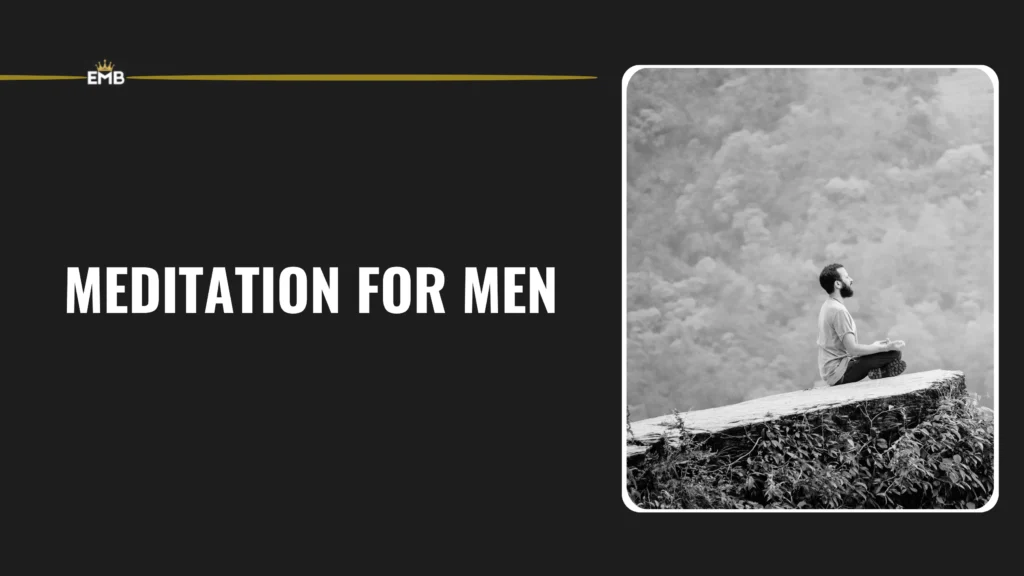
Meditation for men is a simple daily habit: a few minutes of focused breathing or attention training that can help you handle stress, sharpen focus and sleep better. You don’t need special gear, a cushion or a retreat. Start with 2 to 5 minutes a day, stay consistent for four weeks, and judge the results for yourself.
Key takeaways
- – Research suggests meditation may help with stress, anxiety and sleep. It isn’t a cure-all.
- A few minutes a day is enough to start. Consistency beats length.
- Mindful breathing and body scans are the easiest techniques for beginners.
- Use the 4-week plan below to build the habit.
- Meditation doesn’t replace medical or mental health care when you need it.
Is Meditation Actually Worth It for Men?
Many men are told to “push through” stress. Meditation offers a different tool: training your attention so stress doesn’t run the show.
Here’s what the research says, in plain terms:
- Stress and mood: Mayo Clinic says meditation can help you see stressful situations differently and build coping skills.
- Anxiety: According to the National Center for Complementary and Integrative Health (NCCIH), mindfulness approaches performed about as well as proven therapies for anxiety and depression in one large analysis. Results vary, and long-term effects need more study.
- Sleep: NCCIH reports that mindfulness meditation improved sleep quality more than basic sleep education in one review.
- Heart health: Mayo Clinic notes meditation may lower resting heart rate and blood pressure. NCCIH calls the evidence on blood pressure limited.
So meditation is a useful tool with real but modest benefits. It works best alongside exercise, good sleep and, when needed, professional care.
Is Meditation “Manly”?
Yes. Meditation trains self-control, focus and calm under pressure. Those are skills athletes, soldiers and leaders work hard to build. It’s not about being passive. It’s about choosing your response instead of reacting on autopilot.
5 Meditation Techniques for Beginners
1. Mindful breathing
- Sit up straight with your feet flat on the floor.
- Breathe in and out through your nose.
- Focus on the feeling of air moving in and out.
- When your mind wanders, notice it and come back to your breath.
Best for: quick stress resets before a meeting or tough task.
2. Body scan
Lie down or sit. Slowly move your attention from the top of your head to your toes. Notice tension, warmth or tightness, and let each area relax as you breathe out.
Best for: winding down before bed or after a workout.
3. Guided meditation
Follow a recording from a free app or video. A voice tells you what to focus on.
Best for: beginners who get bored or distracted easily.
4. Focus (mantra) meditation
Pick one word, like “calm” or “steady.” Repeat it silently with each breath. Bring your attention back to the word when your mind drifts.
Best for: building concentration.
5. Walking meditation
Walk slowly and pay attention to each step: lifting, moving and placing your foot. Mayo Clinic lists this as a simple way to meditate.
Best for: men who find sitting still hard.
Your 4-Week Meditation Plan
| Week | Daily time | What to do |
|---|---|---|
| 1 | 2 minutes | Mindful breathing, same time every day |
| 2 | 5 minutes | Breathing plus one body scan before bed |
| 3 | 7 minutes | Try a guided meditation |
| 4 | 10 minutes | Pick your favorite technique and track each day |
Tips that make it stick:
- Stack it. Meditate right after something you already do, like brushing your teeth or finishing a workout.
- Set a reminder. Use a phone alarm or a sticky note.
- Don’t judge it. A wandering mind is normal. Each time you come back is one “rep.”
- Missed a day? Just start again tomorrow.
How to Meditate During a Busy Day
- Before a meeting: 5 slow breaths with long exhales.
- After work: 3 minutes of breathing in your car before you walk inside. It helps separate work stress from home time.
- Before bed: a 5-minute body scan instead of scrolling. It pairs well with these steps to improve your sleep naturally.
- During a heated moment: pause, breathe and name what you feel before you respond.
Meditation vs. Common Ways Men Cope With Stress
| Coping method | Short-term effect | Long-term effect |
|---|---|---|
| Alcohol | Quick relief | Can worsen sleep, mood and anxiety |
| Scrolling or TV | Distraction | Stress usually comes back |
| Exercise | Releases tension | Great for health. Pairs well with meditation |
| Meditation | Calmer body and mind | Builds skills to handle stress |
When Meditation Isn’t Enough
Meditation is a helpful habit, not a treatment on its own. Mayo Clinic notes it may make some mental health symptoms worse for certain people, so check with a professional first if you have a mental health condition.
Talk to a doctor or therapist if stress, anxiety or low mood lasts for weeks or affects your daily life. For a deeper look at managing anxiety, try a step-by-step plan to calm anxiety or learn why facing fears beats avoiding them.
If you’re in crisis, call or text 988 (the 988 Suicide & Crisis Lifeline in the US).
Frequently Asked Questions
Is meditation good for men?
Yes. Research suggests it may help with stress, anxiety, focus and sleep. Benefits are usually modest and build with regular practice.
How long should a beginner meditate?
Start with 2 to 5 minutes a day. Build up to 10 minutes over a few weeks. Consistency matters more than length.
Does meditation help with anger?
It can help you notice anger rising and pause before you react. For more tools, see these practical ways to control your temper.
Is it OK to meditate in bed?
Yes, especially a body scan to help you fall asleep. For focus practice, sitting up usually works better because you’re less likely to doze off.
Does meditation raise testosterone?
There isn’t good evidence that meditation directly raises testosterone. It’s best used for stress, focus and sleep.
Next step: Set a phone alarm for the same time tomorrow and do 2 minutes of mindful breathing. That’s Week 1, Day 1.
This article is for information only and is not medical advice. Talk to a doctor or mental health professional if you’re struggling.