
Hey fellas, let’s talk about understanding testosterone not just the word you hear in gym circles, but the hormone that plays a key role in your health, strength, and overall well-being.
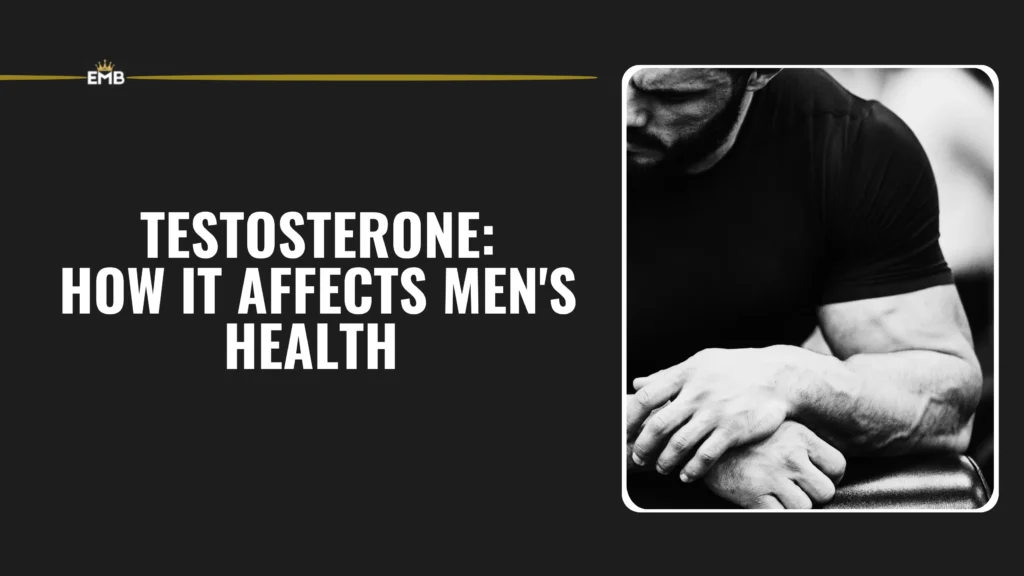
You’ve probably heard of it as the “man hormone,” but testosterone is far more complex than that. It’s a major player in how you feel, perform, and age. In this guide, we’ll break down what testosterone actually does, how it affects your health, and when it’s worth checking your levels.
What Is Testosterone?
Testosterone is a steroid hormone produced mainly in the testes. It kicks in during fetal development and surges again during puberty, helping shape typical male traits – deeper voice, muscle growth, and body hair. But it doesn’t stop there.
Even in adulthood, testosterone continues to influence:
- Muscle mass
- Bone density
- Mood
- Libido
- Energy levels
And here’s something most guys don’t know: testosterone also converts into estrogen (estradiol) through a process called aromatization. That’s right, a small amount of estrogen is essential for men, especially for bone strength and fat balance.
How Testosterone Affects Your Health
1. Sexual and Reproductive Health
- Libido & Erectile Function: Low testosterone can tank your sex drive and make it harder to perform. Men with levels under 264 ng/dL often report low desire and difficulty maintaining erections.
- Fertility: Testosterone supports sperm production, but artificial testosterone (like TRT) can reduce natural sperm output. It’s a delicate balance.
2. Heart & Metabolic Health
- Cardiovascular Function: A 2023 study of 5,200 men found that properly managed TRT doesn’t increase the risk of heart attacks or strokes. But misusing testosterone, especially high doses or injections can be risky.
- Body Composition: Healthy testosterone levels improve the muscle-to-fat ratio and support insulin sensitivity, which may lower your risk for type 2 diabetes.
3. Muscles, Bones & Physical Strength
- Muscle Growth: Testosterone boosts protein synthesis. This means better muscle recovery, more gains from your workouts, and greater physical endurance.
- Bone Density: When testosterone converts to estradiol, it protects your bones from thinning. Low levels can increase your risk of fractures.
4. Mental Health & Brain Function
- Mood Regulation: Low testosterone is linked to mood swings, depression, and anxiety. For men with clinically low levels, TRT may improve emotional well-being.
- Cognitive Health: Some studies suggest testosterone may support memory and focus, although results are still mixed. Still, many men report improved mental clarity after optimizing their levels.
What You Should Know About TRT (Testosterone Replacement Therapy)
TRT Can Help (But It’s Not for Everyone)
TRT is best suited for men who:
- Show clear symptoms like fatigue, low sex drive, or irritability
- Have consistently low testosterone levels (below 264 ng/dL on two separate tests)
Don’t guess, always get your testosterone tested, including both total and free testosterone. Total gives you the full picture, while free testosterone tells you how much is actually active in your body.
Monitor It Closely
If you do start TRT:
- Get regular blood tests to monitor hormone levels
- Watch hematocrit (thickness of your blood) to avoid complications
- Work with a doctor who understands hormone health
Cautions
- Heart Risks: Although newer studies say TRT is safe at normal levels, high doses and some injectable forms could carry cardiovascular risks.
- Changing Cutoffs: The threshold for diagnosing low T has dropped from 300 ng/dL to 264 ng/dL. This changes who qualifies for TRT.
- Delivery Matters: Gels might be safer for your heart than shots. Something to consider when discussing treatment options.
If you’re thinking about it, I recommend you to consult with your doctor.
Final Thoughts: Understanding Testosterone
Testosterone isn’t just about building muscle or boosting your libido, it’s a foundational hormone that affects your heart, brain, bones, and mental well-being.
If you’re feeling “off” tired, foggy, or not yourself, it might be time to get your T levels checked. But don’t rush into therapy. The right way to handle testosterone is through informed decisions, regular checkups, and a balanced approach.
Your hormones matter. Learn them, manage them, and take charge of your health like a man who knows his biology.